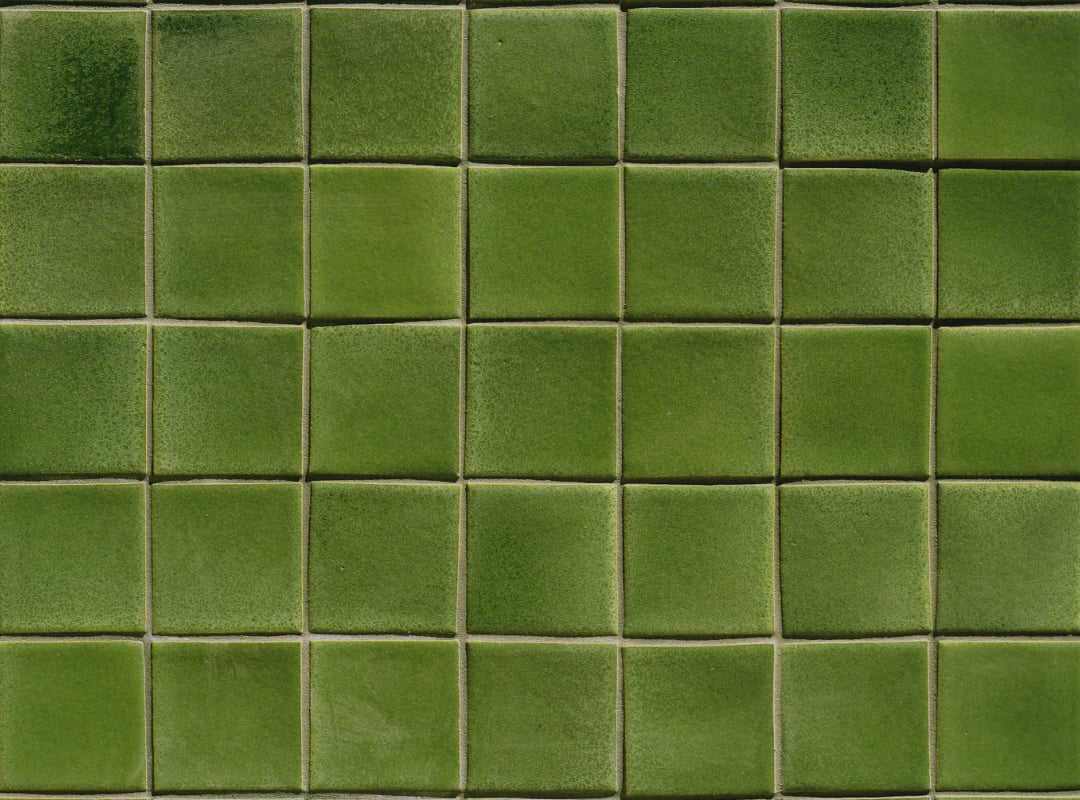
Ceramic Hardware Is the Next Big Kitchen & Bathroom Trend
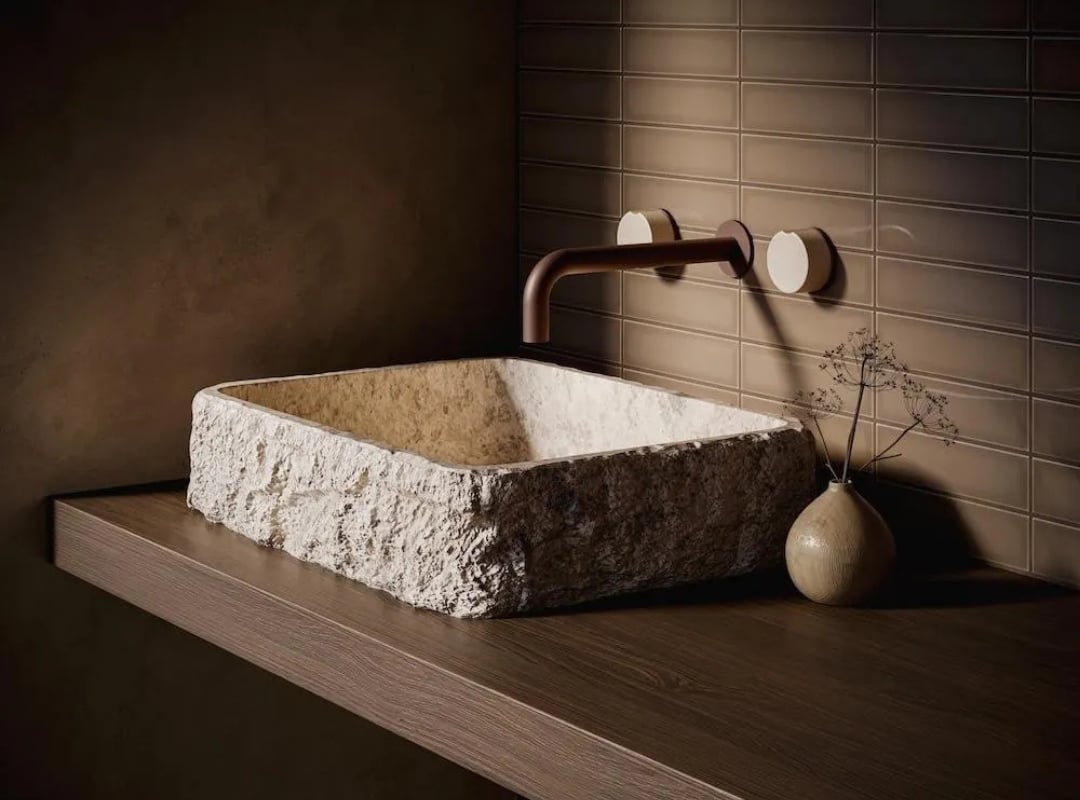
Design trends in kitchens and bathrooms have evolved quickly over the past few years. From polished chrome to warm brass, then into unlacquered finishes and back to modern silver tones—hardware has become one of the easiest ways to define the overall feel of a space.
Looking ahead to 2026, a new trend is emerging: ceramic hardware.
As buyers and homeowners move away from overly trendy or formulaic interiors, there’s a clear shift toward spaces that feel more personal and thoughtfully curated. Ceramic hardware fits seamlessly into this movement.
Unlike traditional metal finishes, ceramic introduces a softer, more refined aesthetic. It brings subtle color, texture, and character—without overwhelming the space. The result is a look that feels elevated, but still approachable.
Designers are increasingly using ceramic knobs and pulls as a way to create distinction in kitchens and bathrooms, especially in homes where every detail matters.
For years, mixing metals was the go-to strategy for adding visual interest. But today, that approach can sometimes feel overdone.
Ceramic hardware offers a more cohesive alternative.
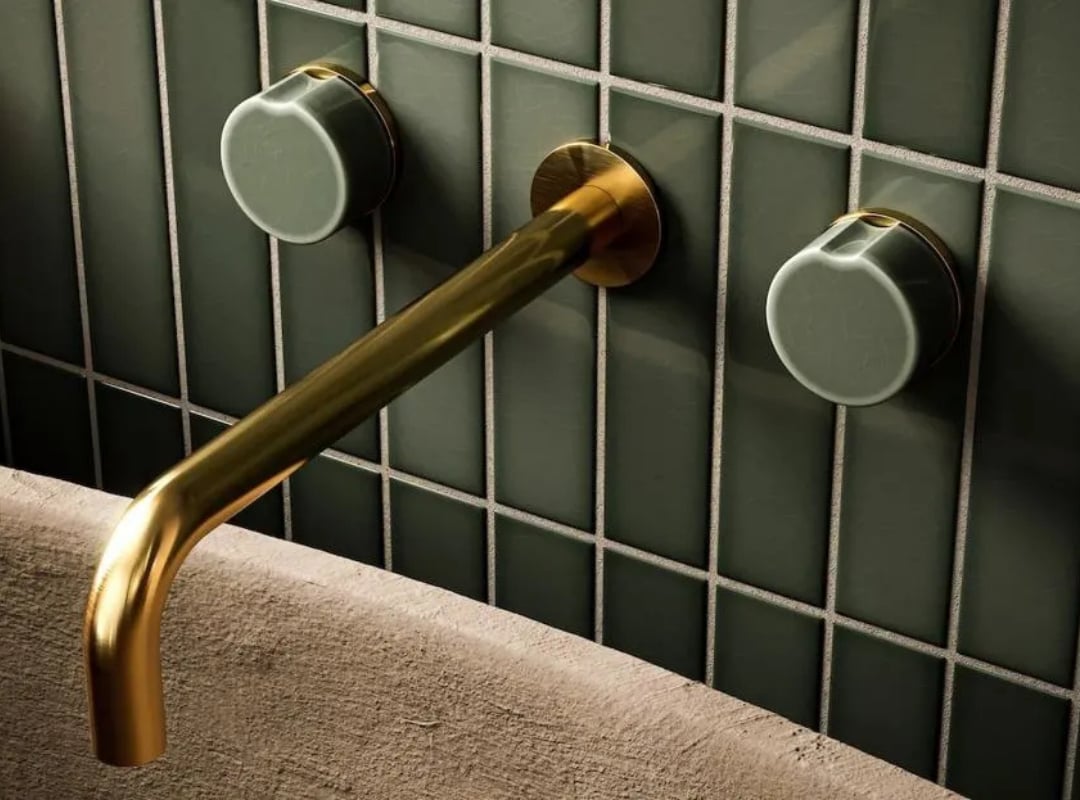
Pairing ceramic knobs with a single metal finish—like a polished nickel or brushed brass faucet—creates contrast in a way that feels intentional rather than busy. It simplifies the palette while still delivering a layered, high-end look.
One of the biggest advantages of ceramic hardware is its ability to introduce texture.
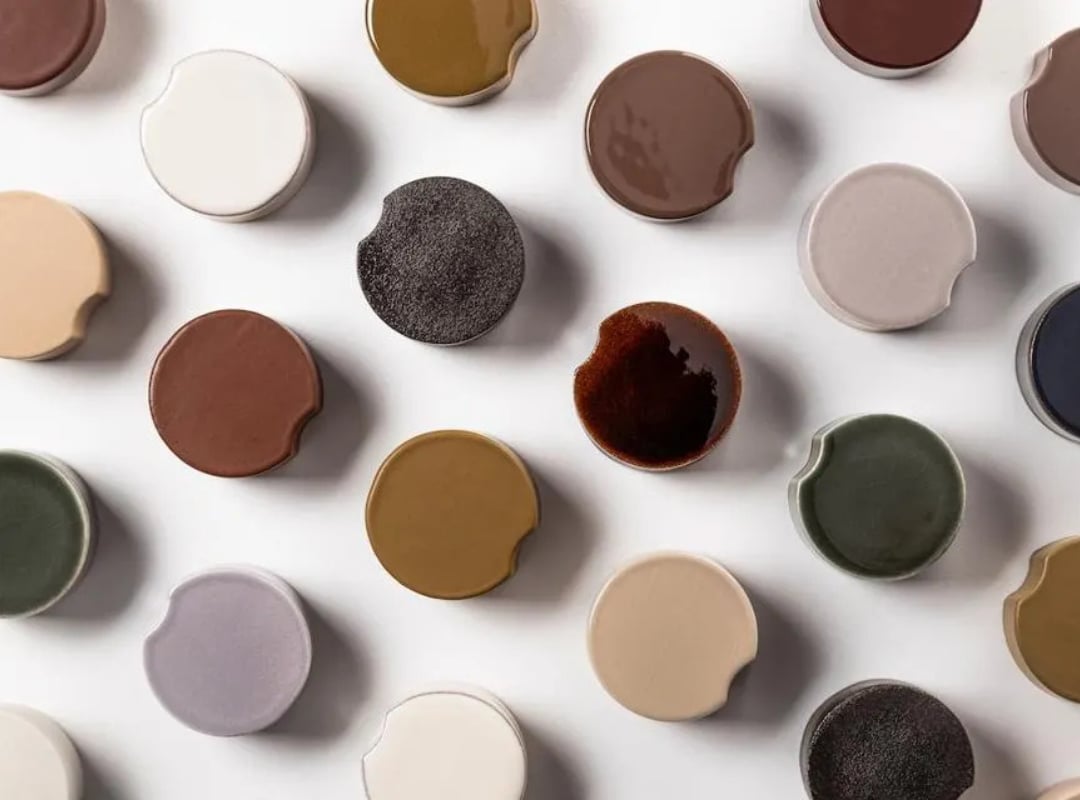
Where metal can feel sleek and uniform, ceramic brings a handcrafted quality. The combination of smooth glazes, matte finishes, and natural tones adds depth—turning even small details into design moments.
In both kitchens and bathrooms, these subtle layers can be the difference between a space that feels standard and one that feels custom.
Another reason ceramic hardware is gaining traction is the renewed focus on craftsmanship.
Buyers—especially in markets like Atlanta—are placing more value on materials and finishes that feel authentic and well-made. Handcrafted elements, natural materials, and thoughtful detailing are no longer reserved for ultra-luxury homes—they’re becoming the expectation.
Ceramic hardware aligns perfectly with this shift. It blends artistry with function, offering something that feels both unique and timeless.
As we head into 2026, the biggest design trend isn’t about a specific finish or color—it’s about intentionality.
Homeowners want spaces that reflect their style without feeling overly designed. Builders and developers are looking for ways to differentiate their product in a competitive market. And buyers are paying closer attention to the details than ever before.
Ceramic hardware checks all three boxes:
It adds personality without overpowering a space
It creates a custom, design-forward feel
It elevates kitchens and bathrooms with minimal effort
Ceramic hardware may be a subtle shift, but it represents a larger movement in home design—one that prioritizes craftsmanship, texture, and individuality over passing trends.
For anyone building, renovating, or preparing to sell, it’s details like this that can set a home apart.
And heading into 2026, those details matter more than ever.
Stay up to date on the latest real estate trends.

For Buyers Who Think About a Home as a Capital Decision, Not Just a Purchase

From Sculleries to Smart Homes — What Today's Luxury Buyers Actually Want

What 15+ Years of New Construction Taught Us About Location, Value, and Lifestyle
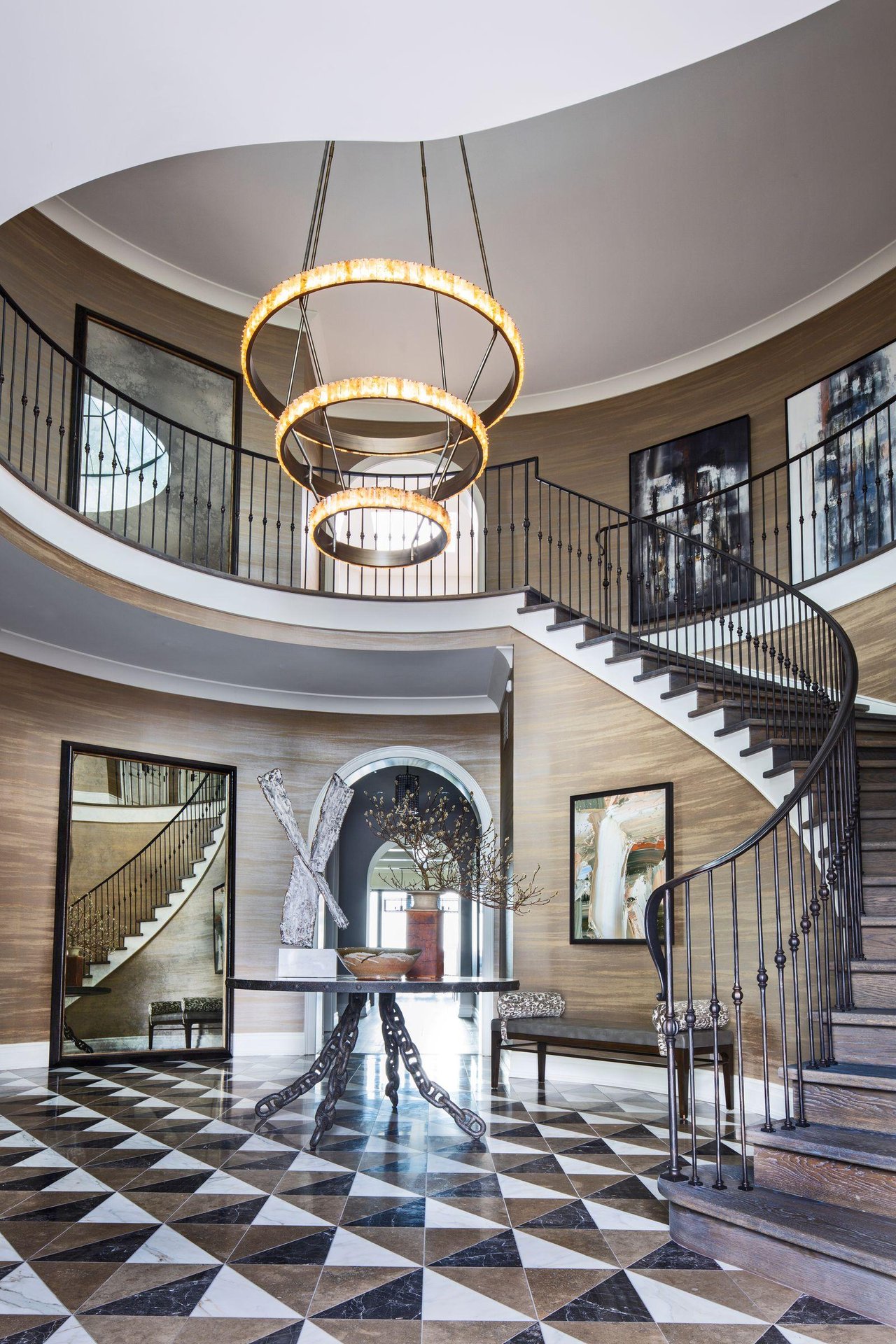
Why Statement Staircases Are Selling Homes Faster in 2026
2026 Home Design Trends

Here's the Verdict
5 Questions to Ask Yourself Before Deciding

A Growing Shift Toward Brand-New Homes
TWG has developed a reputation for innovative marketing and being one of the Top Producing teams in the Atlanta Real Estate Market. Together, we offer an impressive 50 years of combined experience and skill, which allows us to help our clients find their dream homes no matter what their needs are.